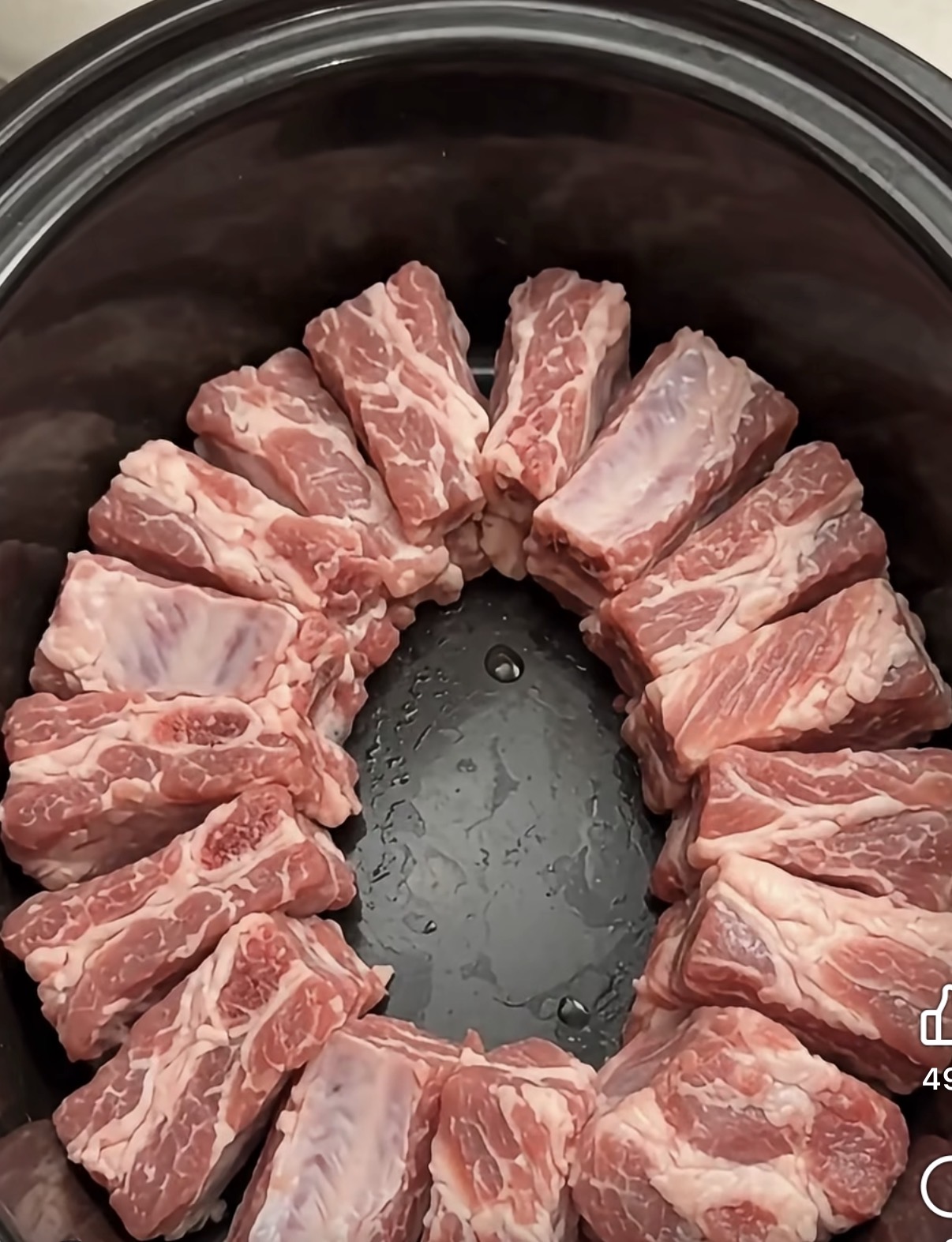
Some recipes never go out of style, especially when they turn an inexpensive cut of meat into a comforting family dinner. These 4-Ingredient Slow Cooker Vintage Sticky Spareribs bring that old-fashioned, home-cooked feeling straight to your kitchen. The ribs cook slowly in a sweet and savory sauce until the meat becomes tender and the flavors come together beautifully.
This recipe keeps things simple with just four ingredients. There is no complicated marinade, no long list of seasonings, and no need to stand over the stove. Simply prepare the ribs, mix the sauce, and let your slow cooker do most of the work.
The result is a satisfying rib dinner with a rich, sticky coating that pairs wonderfully with mashed potatoes, coleslaw, corn on the cob, or warm dinner rolls. If you love vintage comfort food and easy crockpot meals, these slow cooker spareribs deserve a place in your regular dinner rotation.
Why You’ll Love These Vintage Sticky Spareribs
Only four ingredients: You do not need a pantry full of ingredients to make flavorful ribs. Four everyday items create a simple sauce that coats the meat as it cooks.
Easy slow cooker preparation: Once everything is in the crockpot, the cooking process requires very little hands-on attention. This makes the recipe convenient for busy weekdays and relaxed weekends.
Sweet and savory flavor: Barbecue sauce, brown sugar, and Worcestershire sauce create a familiar combination of sweetness, tanginess, and savory depth.
Old-fashioned comfort food: These ribs have the kind of straightforward flavor that fits right in with classic family suppers, backyard cookouts, and potluck dinners.
Easy to customize: You can choose a smoky barbecue sauce, a sweeter variety, or one with a little heat to suit your family’s taste.
Ingredients for 4-Ingredient Slow Cooker Vintage Sticky Spareribs
You will need the following four ingredients.
1. Pork Spareribs
Use approximately 3 to 4 pounds of pork spareribs. Spareribs are cut from the belly side of the rib cage and usually contain more fat and connective tissue than baby back ribs. Slow cooking helps soften that connective tissue and develop a tender texture.
If the rack is too large for your slow cooker, cut it into smaller sections so the ribs fit comfortably.
2. Barbecue Sauce
Use 2 cups of your favorite barbecue sauce. This is the main flavoring ingredient and creates the sticky coating that makes the ribs so appealing.
A smoky, honey-style, or traditional sweet barbecue sauce works well. Choose a sauce you already enjoy because its flavor will be concentrated during cooking.
3. Brown Sugar
Add 1/4 cup of packed brown sugar. It gives the sauce extra sweetness and helps create a glossy finish.
Light or dark brown sugar will work. Dark brown sugar brings a slightly deeper molasses flavor, while light brown sugar offers a milder sweetness.
4. Worcestershire Sauce
Use 2 tablespoons of Worcestershire sauce. Its savory, tangy flavor balances the sweetness of the barbecue sauce and brown sugar.
Together, these four ingredients make a simple sauce without requiring a separate marinade.
How to Make Vintage Sticky Spareribs in the Slow Cooker
Follow these easy steps for tender, flavorful ribs.
Step 1: Prepare the Ribs
Remove the spareribs from their packaging and pat them dry with paper towels. If the tough membrane on the bone side is still attached and easy to remove, peel it away for a more pleasant texture.
Cut the rack into two or three sections if necessary. This helps the ribs fit inside the slow cooker without forcing them into an awkward position.
Step 2: Mix the Sticky Sauce
In a medium bowl, combine the barbecue sauce, brown sugar, and Worcestershire sauce. Stir until the brown sugar is evenly distributed.
The mixture should be thick enough to cling to the ribs but still easy to spread. There is no need to cook the sauce separately.
Step 3: Arrange the Ribs
Place the ribs in the slow cooker. Arrange them in a single layer when possible, or stand the sections along the sides if your cooker is deep enough.
Pour the prepared sauce over the ribs. Turn the pieces gently so that the sauce coats as much of the meat as possible.
The ribs will release moisture as they cook, so you generally do not need to add water. Adding too much extra liquid can dilute the sticky sauce.
Step 4: Cook Until Tender
Cover the slow cooker and cook on LOW for approximately 6–8 hours or on HIGH for approximately 3 1/2–5 hours.
Cooking time depends on the thickness of the ribs, the size of the sections, and your slow cooker. Begin checking for tenderness toward the earlier end of the time range.
The ribs should be tender and easy to pull apart, but they may not have the browned, sticky surface associated with oven-finished ribs.
Step 5: Create a Stickier Finish
For a thicker, more caramelized coating, carefully transfer the cooked ribs to a foil-lined baking sheet. Brush them with some of the sauce from the slow cooker.
Place them under a preheated broiler for approximately 2–5 minutes, watching closely. The sugar in the sauce can burn quickly, so do not leave the ribs unattended.
If you prefer not to use the broiler, serve the ribs directly from the slow cooker with extra sauce spooned over the top.
Step 6: Serve and Enjoy
Transfer the ribs to a serving platter and spoon additional sauce over them if desired. Serve immediately with your favorite sides.
For food safety, pork should reach at least 145°F with a three-minute rest, although ribs are generally cooked much longer to become tender. Use a food thermometer and judge tenderness as well as temperature.
Tips for the Best Slow Cooker Sticky Spareribs
Choose a barbecue sauce you love. Since it provides most of the flavor, a good-quality sauce makes a noticeable difference.
Avoid adding unnecessary liquid. The ribs release juices during cooking. Extra broth or water may make the finished sauce thinner.
Do not overfill the slow cooker. Follow your appliance’s fill guidelines and leave enough room for the lid to close properly. If you have a large quantity of ribs, cook them in batches rather than packing the cooker too tightly.
Keep the lid closed. Each time you lift the lid, heat escapes and the cooking time can increase. Check the ribs near the end rather than repeatedly opening the cooker.
Thicken the sauce if needed. If the sauce seems watery after cooking, transfer it to a saucepan and simmer it until it reaches your preferred consistency. Alternatively, brush the ribs with sauce and finish them briefly under the broiler.
Watch the broiler carefully. The brown sugar and barbecue sauce can caramelize quickly. A short finishing time is usually enough to add color and a stickier texture.
What to Serve with Vintage Sticky Spareribs
These ribs pair well with classic American side dishes. Choose one or two sides for a simple family dinner, or prepare a larger spread for a gathering.
- Creamy mashed potatoes: Their smooth texture balances the sweet and savory sauce.
- Coleslaw: A crisp, tangy slaw provides a refreshing contrast to the rich ribs.
- Corn on the cob: Sweet corn is a natural companion for barbecue-style dinners.
- Baked beans: Their hearty flavor fits the traditional barbecue theme.
- Macaroni and cheese: A creamy side makes the meal especially comforting.
- Green beans: Serve them steamed or lightly seasoned for a simple vegetable option.
- Cornbread or dinner rolls: These are useful for soaking up extra sauce.
For a complete meal, serve the ribs with mashed potatoes and green beans. For a summer-style dinner, pair them with coleslaw, baked beans, and corn.
Easy Variations
The original recipe uses four ingredients, but you can adjust the flavor by changing the barbecue sauce you choose.
Smoky Sticky Spareribs
Use a smoky barbecue sauce for a deeper, barbecue-inspired flavor. This option works especially well when you plan to finish the ribs under the broiler.
Sweet Vintage-Style Ribs
Choose a sweet barbecue sauce and keep the brown sugar amount as written. The result will have a more pronounced sweet-and-savory flavor.
Spicy Sticky Spareribs
Use a spicy barbecue sauce instead of a mild one. This adds heat without introducing another ingredient to the recipe.
Tangier Spareribs
Choose a vinegar-forward barbecue sauce for a tangier finish that balances the brown sugar.
Baby Back Rib Alternative
You can use baby back ribs instead of spareribs. Because they are often smaller and leaner, begin checking for tenderness earlier. The exact cooking time will depend on the rack and your slow cooker.
Can You Make These Ribs Ahead of Time?
Yes. You can prepare the sauce a day ahead and refrigerate it in a covered container. You can also trim and portion the ribs in advance, keeping the raw pork refrigerated until you are ready to cook.
For the best results, do not leave raw ribs sitting at room temperature while preparing other parts of the meal. Keep them refrigerated until needed.
You can also cook the ribs ahead of time and reheat them later. This is useful when planning a family gathering or potluck. Refrigerate the cooked ribs promptly and reheat them thoroughly before serving.
Storage and Reheating
Refrigerating Leftovers
Allow the ribs to cool slightly, then transfer them to shallow, airtight containers with some of the sauce. Refrigerate within two hours of cooking.
Properly refrigerated leftovers should generally be used within 3–4 days.
Freezing
For longer storage, place the cooled ribs and sauce in freezer-safe containers or bags. Remove excess air, seal well, and label with the date.
For best quality, use frozen leftovers within about 2–3 months. Thaw them in the refrigerator before reheating.
Reheating in the Oven
Place the ribs in an oven-safe dish and add a little of the reserved sauce. Cover the dish with foil and heat at 325°F until the ribs are hot throughout.
Uncover during the final few minutes if you want the sauce to thicken slightly. Avoid leaving them uncovered for too long, as the meat can dry out.
Reheating in the Slow Cooker
Place the refrigerated ribs and sauce in the slow cooker and heat until thoroughly hot. For food safety, leftovers should reach 165°F. Do not use a slow cooker to reheat cold leftovers from the beginning; reheat them promptly using an oven, stovetop, or microwave first, then use the slow cooker only to hold already-hot food at 140°F or above.
Frequently Asked Questions
Can I cook spareribs on LOW all day?
The recommended starting range is approximately 6–8 hours on LOW. Some racks may need additional time, but cooking too long can cause the meat to become excessively soft and fall apart. Check for tenderness near the end of the suggested range.
Do I need to brown the ribs first?
No. Browning is not required for this recipe. You can place the raw ribs directly in the slow cooker with the sauce. A brief broiling step after cooking can add color and caramelization.
Should I add water to the slow cooker?
Usually, no. The ribs release moisture as they cook, and the barbecue sauce supplies plenty of flavor. Extra water can thin the finished sauce.
Why is my sauce thin?
The ribs release liquid during slow cooking, which can dilute the sauce. Remove the ribs and simmer the sauce in a saucepan until it thickens, or brush the ribs with sauce and broil them briefly.
Can I use boneless pork ribs?
Yes, although boneless country-style pork ribs are a different cut and may cook at a different rate. Start checking for tenderness earlier and avoid relying on the timing for bone-in spareribs alone.
Can I double the recipe?
Only if your slow cooker can accommodate the additional ribs without exceeding its recommended capacity. The ribs should fit with the lid closed securely. If necessary, use two slow cookers or prepare separate batches.
Are these ribs suitable for a potluck?
Yes. They are convenient for gatherings because the slow cooker handles most of the cooking. Transport the ribs safely and keep them at 140°F or hotter for serving. Do not leave cooked meat at room temperature for more than two hours, or more than one hour when the temperature is above 90°F.
How do I know when the ribs are done?
Use a food thermometer to verify safe cooking, and check the texture as well. Ribs usually need extended cooking beyond the minimum safe temperature to become tender. The meat should feel tender when tested, but it should not be left cooking indefinitely.
Recipe Card: 4-Ingredient Slow Cooker Vintage Sticky Spareribs
Prep Time: 10 minutes
Cook Time: 6–8 hours on LOW or 3 1/2–5 hours on HIGH
Optional Broiling Time: 2–5 minutes
Total Time: Approximately 6 hours 15 minutes to 8 hours 15 minutes on LOW
Servings: 4–6
Ingredients
- 3–4 pounds pork spareribs
- 2 cups barbecue sauce
- 1/4 cup packed brown sugar
- 2 tablespoons Worcestershire sauce
Instructions
- Pat the spareribs dry and remove the membrane from the bone side if desired and practical.
- Cut the ribs into sections that fit comfortably inside the slow cooker.
- In a bowl, stir together the barbecue sauce, brown sugar, and Worcestershire sauce.
- Place the ribs in the slow cooker and pour the sauce over them, turning to coat.
- Cover and cook on LOW for 6–8 hours or HIGH for 3 1/2–5 hours, checking for tenderness near the end of the cooking range.
- For a stickier finish, transfer the cooked ribs to a foil-lined baking sheet, brush with sauce, and broil for 2–5 minutes while watching closely.
- Serve hot with additional sauce and your favorite side dishes.
Estimated Nutrition
Nutrition varies with the rib cut, portion size, and barbecue sauce used. A rough estimate per serving, assuming six servings, is:
- Calories: 550–750
- Protein: 30–40 g
- Carbohydrates: 20–35 g
- Fat: 30–50 g
- Sugar: 15–30 g
- Sodium: 700–1,300 mg
These figures are estimates, not laboratory measurements. For a more accurate result, calculate nutrition using the specific products and portion sizes you use.
Final Thoughts
These 4-Ingredient Slow Cooker Vintage Sticky Spareribs show how a few familiar ingredients can create a satisfying, old-fashioned dinner. The slow cooker makes preparation simple, while barbecue sauce, brown sugar, and Worcestershire sauce provide a sweet and savory coating.
Serve them with mashed potatoes, coleslaw, baked beans, or your favorite vegetables for a comforting meal that works just as well for a weeknight supper as it does for a family gathering. Keep the ingredients simple, allow enough time for the ribs to become tender, and finish them under the broiler if you want that extra-sticky barbecue-style glaze.